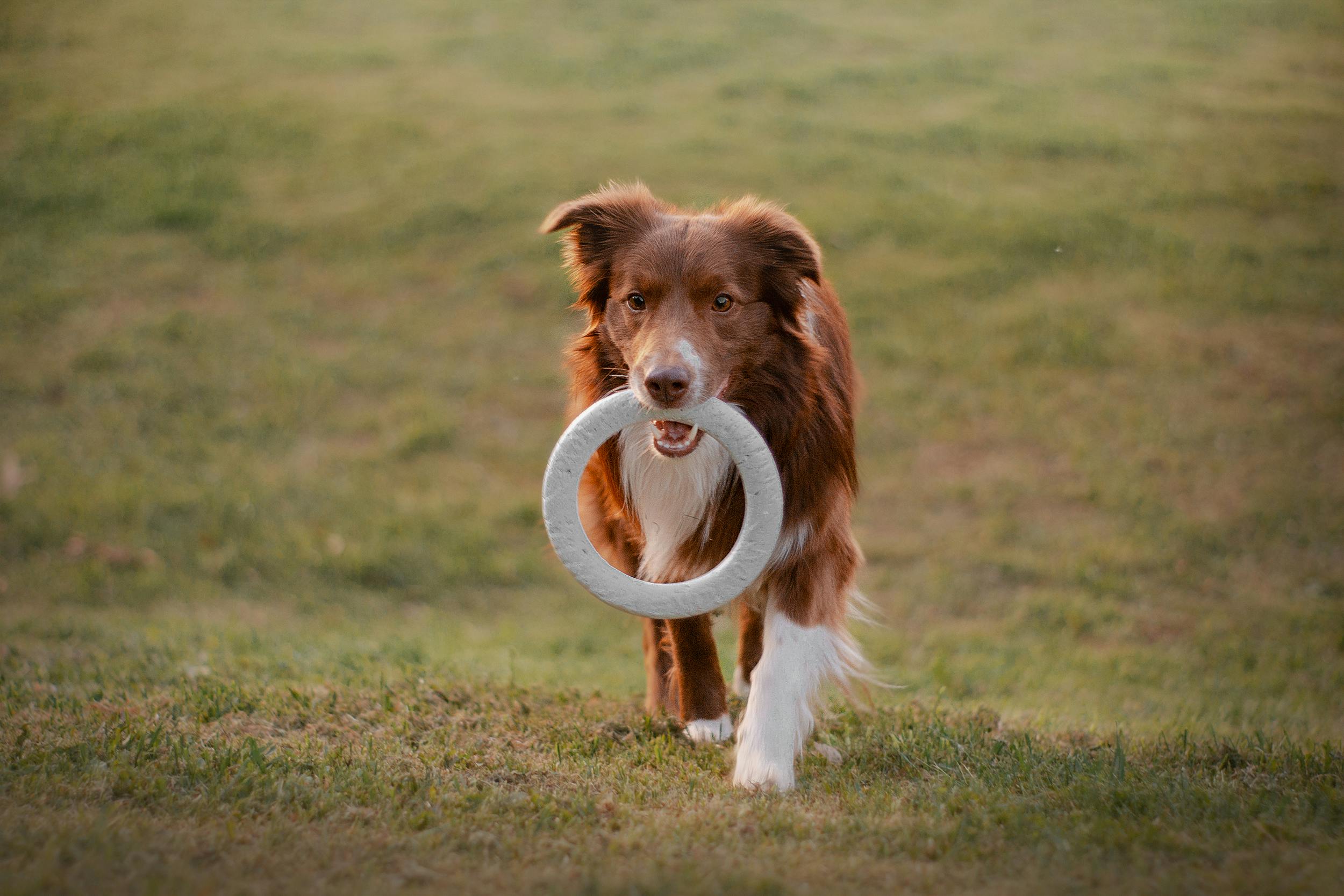
Obedience Training: A Powerful Lifelong Journey
Every stage of a dog’s life brings new joys and new challenges. Puppies are curious and distractible. Adolescents test limits. Adult dogs settle but still need mental work. Seniors benefit from gentler, confidence-building routines. The thread that ties it all together is consistent obedience training. When you use structure, clarity, and repetition, your dog understands expectations, stays safer in real-world situations, and becomes a calmer companion at home and in public.
At Off Leash K9 Training Grand Rapids, I help owners turn scattered practice into a simple, repeatable plan. This guide breaks down what to focus on at each stage, how to prevent backsliding, and which micro-habits give you the biggest return for your time.
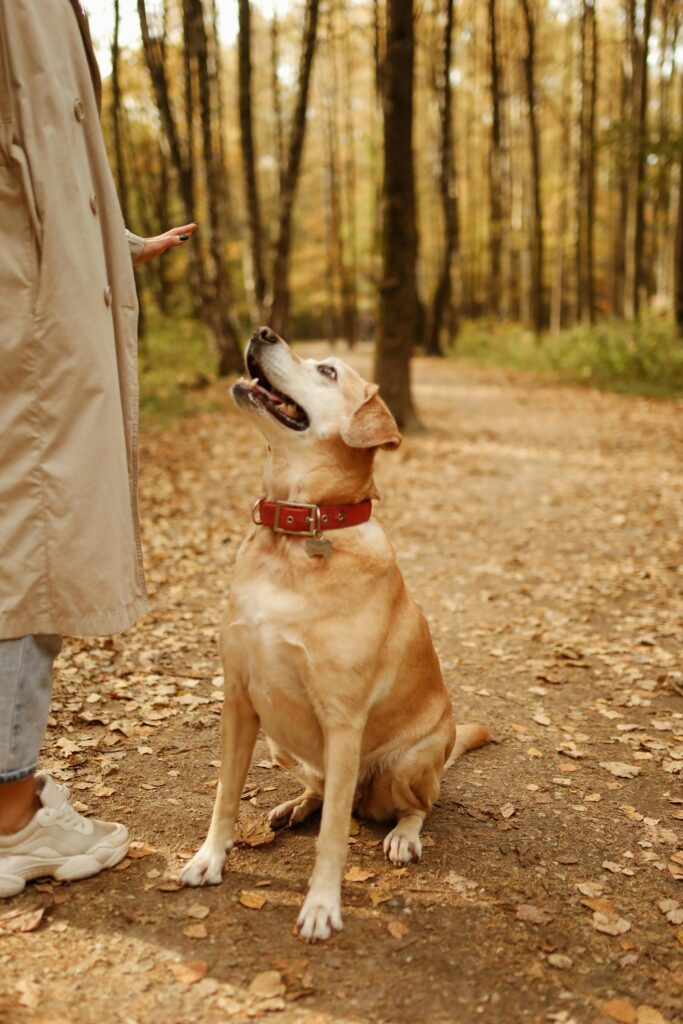
Puppy Training, roughly 8 weeks to 6 months
Puppyhood is your foundation period. Skills built now shape everything that follows.
Primary goals
- Housebreaking and crate comfort.
- Name recognition and attention to handler.
- Core cues: sit, down, place, come, and leash introduction.
- Bite inhibition, polite greetings, and calmness around kids.
Daily rhythm that works
- Morning: Out to potty, one to two minutes of sits and downs, breakfast with a short place command before release.
- Midday: Potty break, one to two minutes of recall games down a hallway or in a fenced yard.
- Evening: Hand-feeding a portion of dinner for lured heel position and a brief settle on place.
Pro tips
- Keep sessions short, one to three minutes, many times a day.
- Reward quiet eye contact before you name a cue.
- Introduce novelty slowly: surfaces, sounds, and safe people.
If you are raising a dog alongside children, consistent rules will keep everyone safe and confident. These family routines are laid out in our blog on kids and dogs: 6 proven tips for a happy home.
Adolescent Training, roughly 6 months to 2 years
Adolescence is the testing phase. Hormones rise, distractions spike, and dogs experiment with ignoring cues. The answer is not harsher corrections. The answer is more clarity, better structure, and thoughtful proofing.
Primary goals
- Reliability with sit, down, place, heel, and recall around real distractions.
- Polite impulse control at doors, food bowls, and greetings.
- Productive outlets for energy to curb nuisance behaviors.
Weekly structure
- Two focused leash sessions on heel, sits at stops, and calm passes by people or dogs.
- Two recall drills in secure spaces, gradually lengthening distance and distraction.
- One public outing for neutrality, such as a pet-friendly store parking lot or a quiet sidewalk with controlled exposures.
Common pitfalls to avoid
- Giving cues only once per day. Habit beats intensity. Do a little, a lot.
- Letting door dashing or jumping earn attention. Reward the behavior you want, ignore or interrupt the rest.
- Changing words. Use the same marker words and commands every time.
When you want a straightforward plan and coaching to navigate this phase, our Basic Obedience Program gives you a step-by-step path and real-world proofing.
Adult Training, roughly 2 to 7 years
Adult dogs typically have steadier energy and attention. This is the perfect time to polish manners and add advanced work.
Primary goals
- Reliability under distraction, duration, and distance.
- Off-leash readiness in appropriate, legal, and safe spaces.
- Calm neutrality around kids, strollers, bikes, skateboards, and other dogs.
Skill builders
- Three-position drills: sit, down, stand in sequence, rewarding smooth transitions.
- Place with duration: build from 2 minutes to 20 minutes across the week.
- Structured play: fetch with rules, tug with clear start and finish, and reset to heel between reps.
Public manners checklist
- Wait at curbs, doorways, and vehicle exits.
- Loose-leash walk past food carts and sidewalk cafés without scavenging.
- Hold a down while you chat briefly with a neighbor.
Senior Training, roughly 7 years and up
Seniors still benefit from training, you will just adapt intensity and impact. Aim for confidence, comfort, and mental enrichment.
Primary goals
- Maintain mobility with gentle position changes.
- Keep minds sharp with scent games and simple puzzles.
- Protect joints and energy while preserving household manners.
Adjustments that help
- Shorter sessions, more breaks.
- Softer treats and higher rate of reinforcement for effort.
- Lower jumps, wider turns, and non-slip surfaces for work on place and heel.
Proofing: how to make obedience stick
Obedience is a behavior chain. You are not done when your dog performs a cue once in the kitchen. You build reliability by changing one variable at a time.
Change of place
- Kitchen, hallway, garage, patio, driveway, sidewalk.
Change of handler and context
- Have a family member run the same drill.
- Add mild distractions such as a toy on the floor or a friend at a distance.
Change of criteria
- Duration first, then distance, then distraction. Only move one dial at a time.
Handling common challenges without losing momentum
Jumping on guests
- Park a raised bed by the entry.
- Place for 30 to 90 seconds, release calmly to greet while you guard against springing up.
Pulling on leash
- Reward position next to your leg every two to three steps at first.
- If your dog forges, stop, reset, and take three perfect steps before continuing.
Selective hearing on recall
- Keep a training line on in open spaces while you build a habit of turning on the first call.
- Practice four fast, happy recalls for every one long, formal recall to keep enthusiasm high.
Micro-sessions: the secret weapon for busy Grand Rapids families
Most owners do not need hour-long sessions. They need six to ten micro-sessions of 60 to 90 seconds each, tucked into things they already do.
Places to insert training without adding time
- Door thresholds, ask for a sit and release.
- Leash clip on, ask for eye contact before you open the door.
- Set down a food bowl, ask for a place until you release.
- TV commercials, run a quick three-cue sequence.
- Car unload, ask for a wait before a controlled jump out.
Health and happiness fuel better training
Wellness and training are connected. Dogs that are rested, exercised appropriately, and mentally enriched learn faster and keep calmer routines. The AKC’s guide on how to make your dog happy highlights simple lifestyle choices that boost well-being, from enrichment to routine. Pair these habits with your obedience plan to see steadier progress at every life stage.
Gear essentials that support learning
You do not need a closet full of equipment, just the right, well-fitted basics.
- A flat collar or well-fitted training collar as recommended for your dog.
- A standard six-foot leash for clarity on sidewalks and stores.
- A long line for safe recall practice in open spaces.
- A raised bed or defined mat for place command.
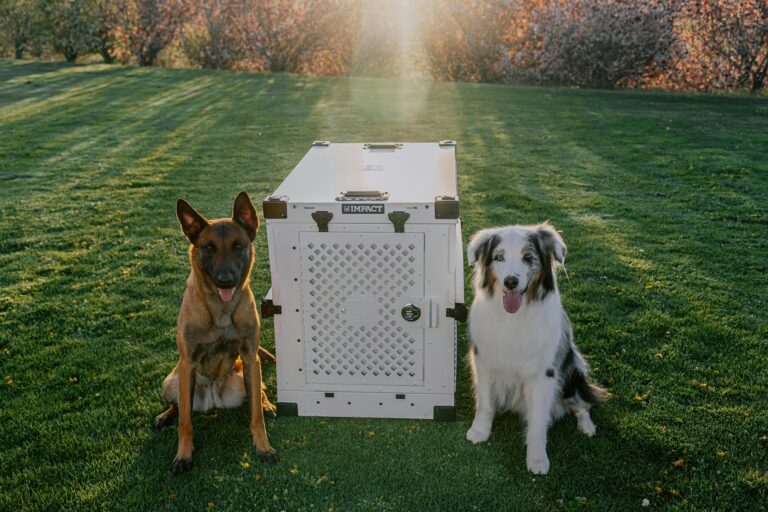
- A crate sized for comfortable stand, turn, and lie down.
When to ask for professional help
If you feel stuck, your timing is inconsistent, or your dog’s behavior includes anxiety, reactivity, or aggression, it is time for coaching. Professional eyes catch small errors quickly and save you weeks of frustration. Our Basic Obedience Program is designed to remove guesswork and build reliable skills you can use anywhere in Grand Rapids.
Stage-by-stage checklists
Puppy
- Housebreaking plan with scheduled outings.
- Crate comfort and short place durations.
- Name response, sit, down, and recall games.
Adolescent
- Daily leash work and door manners.
- Two recall sessions per week on a long line.
- Public neutrality outings with controlled exposures.
Adult
- Place with duration to 20 minutes.
- Off-leash readiness in safe, legal areas.
- Calm greetings and food refusal on cue.
Senior
- Gentle position changes on soft surfaces.
- Short scent games and puzzle feeders.
- Low-impact walks with loose-leash focus.
Conclusion: Build the bond that lasts
Obedience training is not a one-time project, it is a rhythm that follows your dog from puppyhood through the senior years. With short, regular reps, clear standards, and thoughtful proofing, you will get a companion who is confident, calm, and reliable in the real world.
If you want a plan tailored to your dog’s age and lifestyle, reach out through our contact page. We will help you map the next four weeks of practice and show you exactly how to keep progress steady and stress-free.