Crate Training 101: The Simple Positive Approach
Clearing Up the Crate Training Misconception
One of the most common questions I hear from families in Grand Rapids is, “Isn’t crate training cruel?” The truth is, crate training is one of the most valuable tools you can give your dog. When introduced properly, the crate becomes a safe and comforting space, not a place for punishment.
Crate training offers structure, prevents destructive behaviors, and provides dogs with a sense of security. It also makes life easier for families, whether you’re dealing with puppy potty training, travel, or creating calm routines in busy households.
Why Dogs Naturally Accept Crates
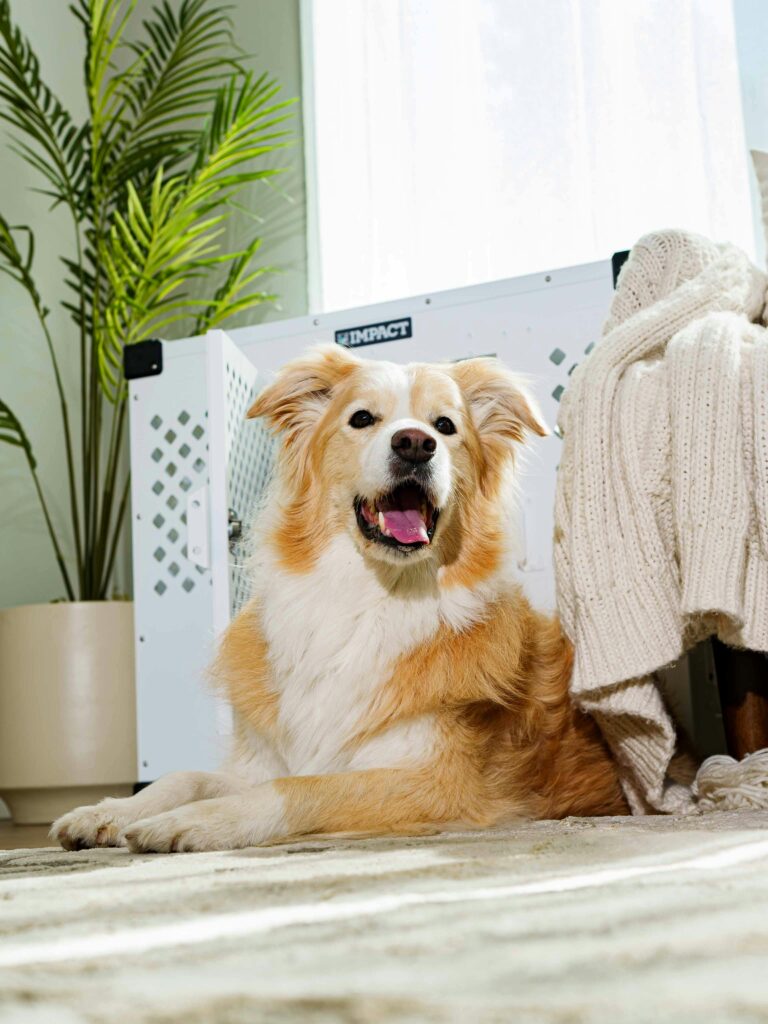
Dogs are den animals by nature. In the wild, they seek out small, enclosed spaces for rest and safety. A crate replicates this natural instinct, giving them a personal space where they can relax without stress.
When presented as a positive, cozy environment, dogs quickly learn to associate their crate with rest, routine, and security.
The Benefits of Crate Training
Crate training brings countless benefits for both dogs and their families:
- Housebreaking made easier: Puppies learn bladder control when guided with crate schedules.
- Safety when unsupervised: Prevents chewing hazards, ingestion of harmful items, or accidents.
- Stress-free travel: A crate-trained dog adapts better to car rides and flights.
- Household harmony: Dogs know where to settle when kids or guests are around.
For families with young children, pairing crate training with strategies like those in our blog on kids and dogs: 6 proven tips for a happy home ensures everyone has their own “safe space.”
Common Mistakes to Avoid
While crate training is powerful, misuse can create issues. Avoid these pitfalls:
- Using the crate as punishment: This creates fear instead of comfort.
- Leaving dogs inside too long: Crates are for rest and structure, not confinement.
- Rushing the process: Dogs need gradual exposure to build trust.
How to Introduce the Crate Positively
Step 1: Make It Inviting
Place a soft blanket or mat inside. Leave the door open so your dog can explore. Toss in a favorite toy or treat to encourage entry.
Step 2: Build Positive Associations
Feed your dog meals inside the crate. Reward calm behavior with praise and treats. Keep early sessions short.
Step 3: Practice Calm Exits
Wait until your dog is calm before opening the crate. This teaches patience and prevents anxious behaviors like barking or scratching.
Step 4: Extend Time Gradually
Start with 10-minute sessions, then extend to 30 minutes, and eventually longer as your dog becomes comfortable.
Real-Life Applications in Grand Rapids
Life in Grand Rapids is full of activities—weekend hikes, school schedules, and busy social gatherings. A crate-trained dog can rest calmly when you’re out at the farmers’ market, hosting friends for a football game, or shuttling kids to after-school activities. This balance between activity and rest keeps your dog well-behaved and confident.
Expert Insight: Why It Matters
According to the AKC’s guide on crate training puppies, crates give dogs a structured environment that supports housetraining, safety, and calm routines. When used properly, they reduce stress and provide both dogs and owners peace of mind.
Checklist Review: Crate Training Best Practices
- Introduce the crate as a positive, safe space.
- Never use the crate for punishment.
- Gradually build duration with short, calm sessions.
- Use the crate for structure, travel, and household balance.
- Pair crate routines with overall obedience training.
Conclusion: Crates as a Path to Calm Homes
Crate training is not about confinement, it is about creating structure, safety, and peace for your dog. Families in Grand Rapids can use this tool to set their dogs up for success, whether managing puppy energy, balancing busy routines, or building strong obedience.
If you’re ready to begin crate training or want to integrate it into a full obedience plan, our Basic Obedience Program is designed to give your dog the structure they need. Reach out through our contact page to start creating balance at home today.