The Complete New Year’s Guide to Successful Training for Your Dog in 2026
New Year, New Habits, Better Behavior
As the new year begins, many people in Grand Rapids set goals for health, consistency, and growth, but few think about setting them for their dogs. Training is one of the most rewarding resolutions you can make, and it benefits everyone in the home.
Whether your dog is learning their first commands or perfecting off-leash reliability, this guide will help you create a step-by-step plan to make 2026 your best training year yet.
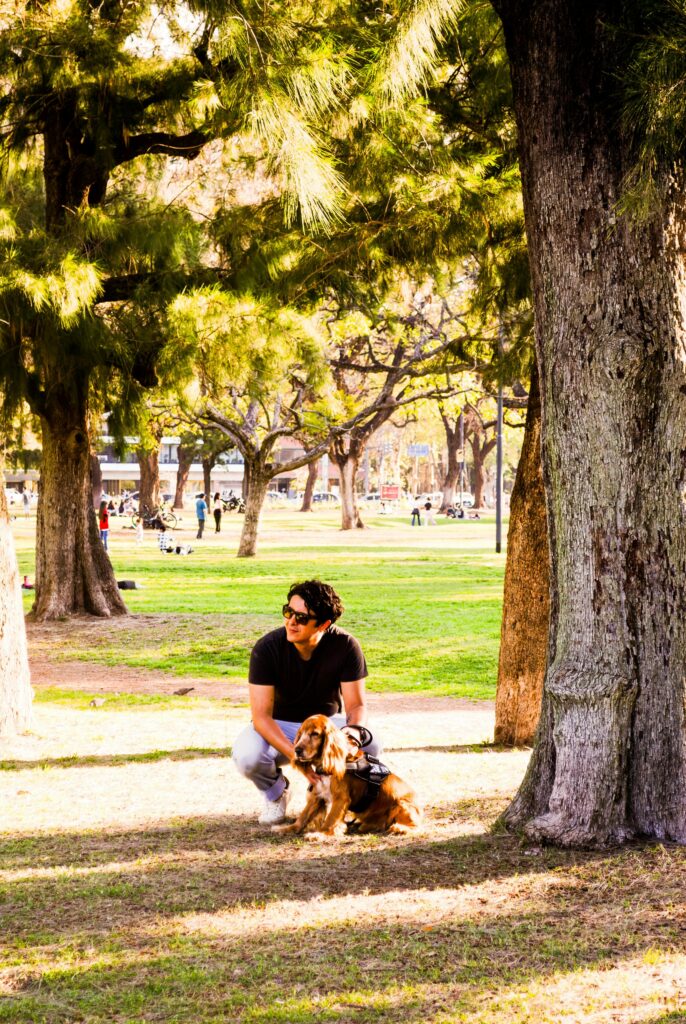
Why January Is the Perfect Time to Begin
The start of a new year represents a fresh slate and a chance to reset routines. During Michigan’s quiet winter months, fewer distractions make it easier to establish strong foundations.
- Indoor training builds focus and calm behavior.
- Structure replaces post-holiday chaos.
- Early progress sets the tone for year-long consistency.
By spring, your dog will be ready for walks, parks, and outdoor adventures with better obedience and confidence.
Step 1: Evaluate Your Dog’s Current Skills
Before setting new goals, take stock of where your dog stands now.
Ask yourself:
- Does my dog respond to basic commands like sit, stay, and come?
- Can they walk calmly on a leash?
- Do they remain focused around distractions?
- Are there behaviors I’ve ignored that need correction?
The answers will guide your 2026 training plan. Remember, even experienced dogs benefit from review and reinforcement.
Step 2: Set Clear, Achievable Goals
Dogs learn best with structure and consistency, not vague expectations. Instead of “train more,” set measurable goals like:
- Master reliable recall by March.
- Practice 10-minute obedience sessions daily.
- Build calmness around guests by spring.
When goals are specific, you can celebrate each milestone, and your dog understands exactly what’s expected.
Step 3: Build a Daily Training Routine
The most successful Grand Rapids owners treat training as part of daily life, not a once-a-week activity.
Try this simple framework:
- Morning: 5 minutes of leash walking with structured heel practice.
- Midday: Quick place and recall drills.
- Evening: Short focus games or calm door manners.
This consistency builds clarity and keeps progress steady all year long.
For busy families, our post on ways to reinforce training for busy dog owners shares tips for keeping sessions efficient and effective.
Step 4: Strengthen Leadership and Communication
Dogs crave calm, confident leadership. If you’re firm, fair, and consistent, they’ll follow your guidance willingly.
Simple leadership habits include:
- Following through on every command.
- Maintaining clear boundaries at home.
- Rewarding calm focus, not excitement.
- Keeping tone and timing consistent.
Leadership isn’t about dominance, it’s about trust, direction, and structure.
Step 5: Focus on Socialization and Real-World Skills
Don’t wait until spring to reintroduce your dog to new environments. Winter walks and small outings help maintain calm behavior in public.
Real-world training ideas:
- Practice neutrality around other dogs at parks.
- Sit-stay at outdoor coffee shops or store entrances.
- Work recall in quiet snow-covered fields or trails.
As your dog improves, slowly increase distractions to proof their obedience.
Expert Insight: The Emotional Benefits of Training
According to the AKC’s article on the health benefits of dog ownership, consistent training not only boosts your dog’s mental health but also improves your own. Training strengthens communication, lowers stress, and builds confidence for both ends of the leash.
Checklist: Your 2026 Training Roadmap
- Evaluate your dog’s current obedience level.
- Set specific, measurable goals.
- Train daily in short, consistent sessions.
- Strengthen leadership through follow-through.
- Add real-world distractions gradually.
- Celebrate progress and stay patient.
FAQ: New Year’s Dog Training
Q1: How long does it take to see results?
With consistent daily practice, most owners notice improvement in two to three weeks. Reliability comes from repetition and structure.
Q2: Can older dogs still learn new behaviors?
Absolutely. Dogs of any age can improve with proper guidance and patience. Consistency matters more than age.
Q3: How do I stay motivated to keep training?
Set realistic goals and track small wins. Progress photos or journal entries keep you inspired through the year.
Q4: Is professional training worth it?
Yes. Professional programs accelerate progress, provide accountability, and prevent confusion caused by inconsistent methods.
Conclusion: A Fresh Start for You and Your Dog
Training is more than a resolution, it’s a commitment to better communication, confidence, and companionship. With daily practice, patience, and leadership, your dog’s obedience and trust will grow stronger every season.
If you’re ready to start 2026 with clear direction and professional support, explore our Basic Obedience Program and connect with our trainers through the contact page. Together, we’ll turn your New Year’s resolution into a lifelong success story.