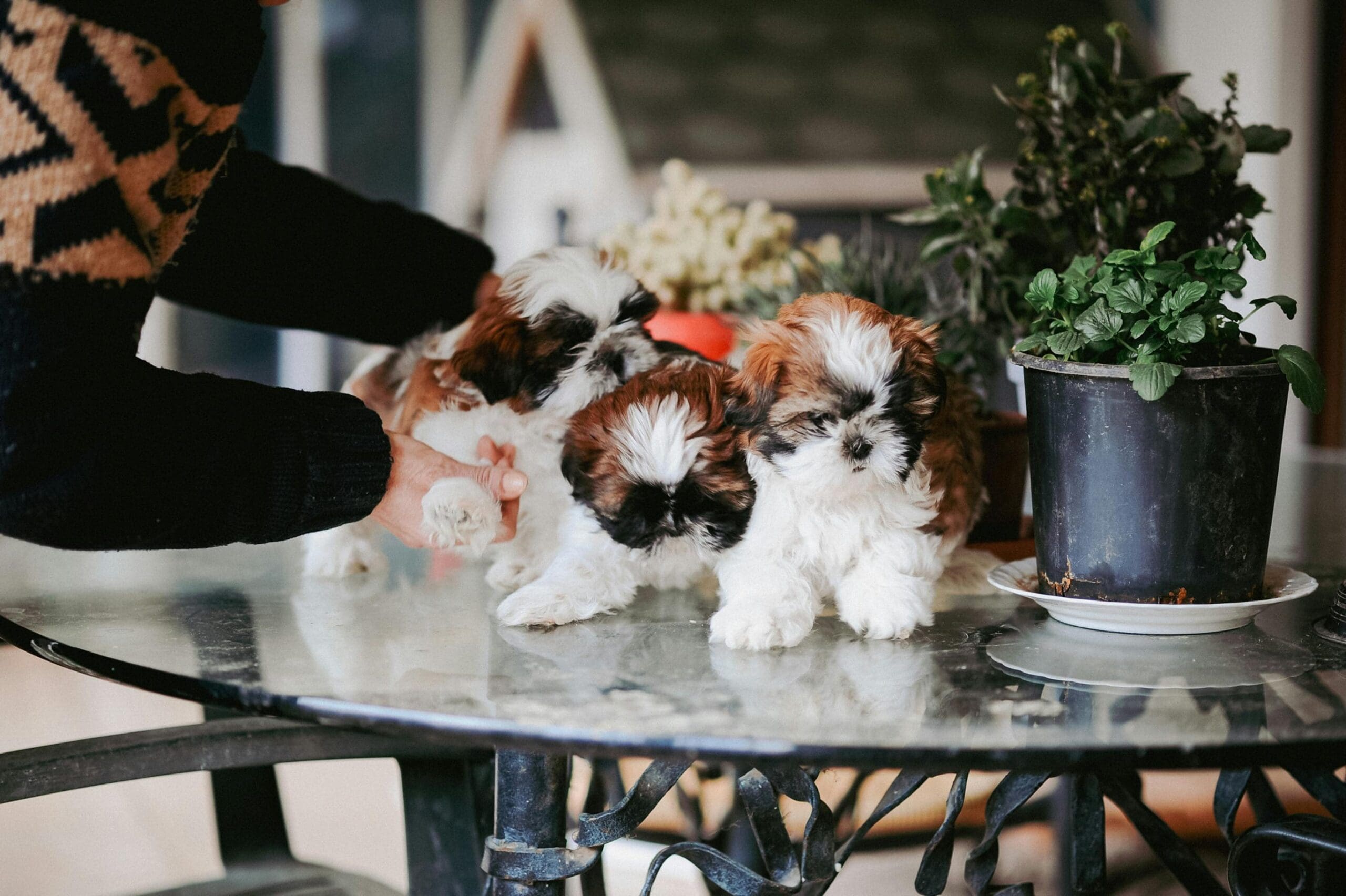
Multi-Dog Success: Expert Training Tips for a Happy Pack
Double the Dogs, Double the Fun?
Living in a multi-dog household can be a joy, but it also comes with challenges. From food guarding to playtime chaos, multi-dog homes in Grand Rapids often struggle to keep balance. The key to harmony isn’t just love, it’s structure and training.
When every dog knows the rules, your household runs smoother, your walks are calmer, and sibling rivalry is reduced.
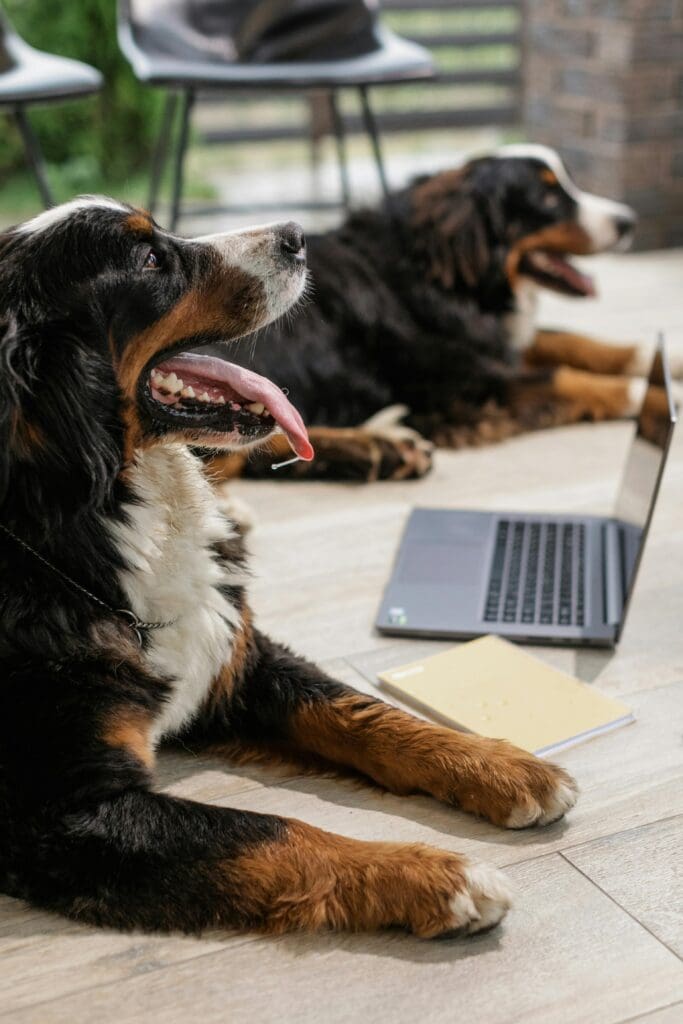
The Challenges of Multi-Dog Homes
Adding a second or third dog often magnifies existing problems. Without clear rules, chaos spreads quickly. Common challenges include:
- Competition over food, toys, or attention.
- Barking or overexcitement when one dog triggers the others.
- Walks that turn into tangled leashes and pulling.
- Difficulty reinforcing commands when dogs distract each other.
Tip 1: Train Individually First
Before expecting dogs to behave together, ensure each one understands commands on their own. Work one-on-one with sit, stay, place, and recall. Once reliable individually, begin practicing in pairs.
Tip 2: Establish Feeding Rules
Food is a common source of conflict. Structure feeding times with clear rules:
- Feed in separate spaces or crates.
- Have dogs sit and wait for release before eating.
- Pick up bowls when finished to avoid guarding.
Tip 3: Use the Place Command
A defined space for each dog builds order. During family meals, guests arriving, or downtime, send each dog to their place. This reduces chaos and prevents crowding.
Our blog on crate training with a positive approach also explains how designated spaces help dogs decompress in busy homes.
Tip 4: Supervise Playtime
Dogs may play well but can escalate quickly. Watch for signs of over-arousal like stiff bodies, growling, or hard staring. Interrupt early and redirect to a calm activity.
Tip 5: Maintain Leadership and Fairness
Dogs thrive with clear leadership. Avoid favoritism, and ensure all dogs are held to the same rules. Consistency prevents confusion and competition.
Managing Resources and Preventing Conflict
Competition is one of the biggest challenges in multi-dog households. Set clear rules for food, toys, and attention.
- Separate feeding stations: Feed dogs in crates or different rooms to avoid conflict.
- Rotate toys: Introduce high-value toys under supervision only.
- Teach patience: Use sit-stay before giving treats or meals.
- Give equal attention: Avoid favoritism that may spark jealousy.
If resource guarding appears, address it immediately with training and structure before it escalates.
FAQ: Multi-Dog Training
Q: Should I train all my dogs at once?
Not at first. Start with one-on-one sessions, then gradually combine them.
Q: What if my dogs compete for attention during training?
Rotate focus. Reward one dog for waiting patiently while the other works.
Q: Can older dogs learn alongside younger ones?
Yes. Older dogs can model calm behavior, but they also need individual attention to avoid frustration.
Q: How do I stop fights over toys or food?
Manage the environment. Separate feeding areas, rotate toys, and reward calm sharing behaviors.
Q: Is professional training worth it for multi-dog homes?
Absolutely. Trainers can help balance pack dynamics and build consistency across all dogs.
Expert Insight: Structured Play Beats Chaos
According to the AKC’s guide to multi-dog households, structure is essential for harmony. Dogs should understand individual expectations before being asked to work together. This approach prevents fights and reinforces obedience.
Checklist Review: Multi-Dog Home Training
- Train dogs individually first.
- Structure mealtimes and eliminate competition.
- Use place command for order and calm.
- Supervise play and stop escalation early.
- Provide consistent leadership for all dogs.
Conclusion: Harmony Is Possible
Multi-dog homes in Grand Rapids don’t have to be chaotic. With structure, training, and leadership, your dogs can coexist peacefully and reliably. Training together becomes a way to strengthen both obedience and family balance.
If you’re juggling more than one dog and need help creating harmony, our Basic Obedience Program provides the structure your pack needs. Start today by reaching out through our contact page.