
How to Introduce a New Dog and Avoid the Chaos
A Fresh Start for Families
Adding a new dog to your home is exciting, whether it’s a playful puppy, a rescue, or an adopted adult. But the first days and weeks are critical. Without structure, introductions can lead to stress, conflicts, or setbacks in training.
In Grand Rapids, where families are busy and many homes already have pets or children, planning introductions carefully makes all the difference. A calm, structured start sets the stage for lifelong harmony.

Step 1: Prepare Your Home Before Arrival
Before your new dog walks through the door, set up spaces and routines.
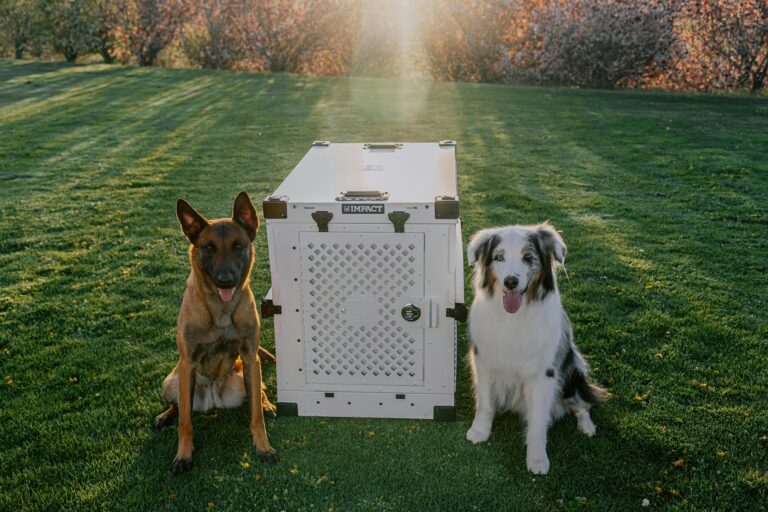
- Create a safe space: Use a crate or quiet room for downtime.
- Set boundaries: Block off areas that are off-limits at first.
- Gather essentials: Food, bowls, toys, leash, collar, and bedding.
This preparation prevents overwhelm and keeps expectations clear from day one.
Step 2: Neutral Territory First
When introducing dogs, it’s best to meet on neutral ground like a quiet park or open yard.
- Walk the dogs parallel at a safe distance.
- Allow sniffing only when both dogs are calm.
- Keep leashes loose to avoid tension.
This prevents territorial behavior and sets the tone for cooperation.
Step 3: Structured First Days at Home
The first 48 hours matter most. Keep introductions calm and brief.
- Use leashes indoors if needed for control.
- Supervise all interactions with existing pets or kids.
- Reward calm behavior consistently.
Our blog on obedience training as a lifelong journey explains how ongoing structure ensures a smooth transition.
Step 4: Introductions With Children
Kids often can’t wait to play, but rushing this step can overwhelm both the dog and the child.
- Teach children to let the dog approach them, not the other way around.
- Supervise all interactions closely.
- Practice calm greetings with sit commands.
Step 5: Monitor and Adjust
Expect some hiccups. A growl, bark, or retreat is communication, not necessarily a red flag. Guide the situation with calm corrections and redirection.
- Use place command for decompression.
- Separate pets if stress levels rise.
- Gradually increase freedom as trust builds.
Expert Insight: Patience is Key
According to the AKC’s guide on introducing dogs, introductions should be gradual and structured. Rushing the process increases the risk of fights, fear, or long-term tension. Slow, positive exposure creates confidence and trust.
Checklist Review: Introducing a New Dog
- Prepare the home with boundaries and essentials.
- Start introductions on neutral ground.
- Supervise the first 48 hours closely.
- Teach children safe, calm interactions.
- Adjust gradually with patience and structure.
FAQ: Bringing a New Dog Home
Q: How long does it take for a new dog to adjust?
Most dogs take a few weeks to settle, but it can take months for full adjustment. Consistency speeds up the process.
Q: Should I let my new dog meet everyone right away?
No. Start small with immediate family, then slowly introduce friends and neighbors.
Q: What if my current dog doesn’t accept the new one?
Go back to structured walks, short controlled meetings, and reward positive behavior. If issues persist, professional help may be necessary.
Q: How do I prevent fights over toys or food?
Use separate feeding areas and rotate toys during the adjustment period.
Q: Is crate training really necessary for older dogs?
Yes. Crates provide structure, safety, and a secure place to decompress, regardless of age.
Conclusion: A Smooth Transition for Grand Rapids Families
Bringing a new dog home is a big adjustment, but with preparation and patience, your household can welcome them with success. Training and structure are what turn those early days into a foundation for lifelong trust.
If you’re welcoming a new dog and want guidance, our Basic Obedience Program gives you a proven framework for creating harmony from day one. Start your dog’s journey today by reaching out through our contact page.