Leash Reactivity: Powerful Causes, Fixes, & Myths Explained
The Reality of Leash Reactivity
If you’ve ever walked your dog through the streets or trails of Grand Rapids and suddenly felt them lunge, bark, or pull when another dog passes by, you’ve experienced leash reactivity. It can feel embarrassing, stressful, and even dangerous if left unchecked. But here’s the good news: leash reactivity is not aggression, and it’s not a hopeless behavior. With structure, consistency, and the right techniques, dogs can learn to walk calmly on leash.
What Leash Reactivity Really Is
Leash reactivity happens when a dog overreacts to triggers while restrained on a leash. Common triggers include:
- Other dogs
- People or children
- Bicycles, skateboards, or joggers
- Loud noises or moving vehicles
The leash itself creates tension, which can amplify frustration or anxiety. Without training, this cycle repeats every walk.
Common Causes of Leash Reactivity
- Frustration: A dog eager to greet but restricted by the leash may bark or pull.
- Fear or insecurity: A nervous dog may use barking or lunging as a way to create distance.
- Lack of boundaries: Dogs that have not learned to heel or follow commands may default to impulsive reactions.
- Owner tension: Dogs mirror human energy. If you tense up, they often respond in kind.
Myths About Leash Reactivity
Let’s clear up some misconceptions:
- Myth 1: Reactive dogs are aggressive.
Truth: Most are frustrated or insecure, not aggressive. With proper training, they can become calm and neutral. - Myth 2: Avoiding walks is the solution.
Truth: Skipping walks avoids the trigger but doesn’t fix the root issue. Controlled exposure and training are essential. - Myth 3: They’ll grow out of it.
Truth: Without intervention, leash reactivity usually worsens over time. - Myth 4: Only certain breeds are reactive.
Truth: Any breed or size of dog can develop leash reactivity without structure.
Proven Fixes for Leash Reactivity
1. Master Basic Obedience
Dogs must learn to follow leash cues before they can succeed around distractions. Practicing sit, stay, and heel in low-stress environments sets the foundation. Our Basic Obedience Program gives families the tools to establish this control.
2. Controlled Exposure
Gradually expose your dog to triggers at a safe distance where they can remain calm. Slowly decrease the distance as they build confidence.
3. Neutral Leadership
Stay calm and confident. If you tense up or pull sharply, your dog will sense your anxiety. Use clear commands and reward calm behavior.
4. Structured Walks
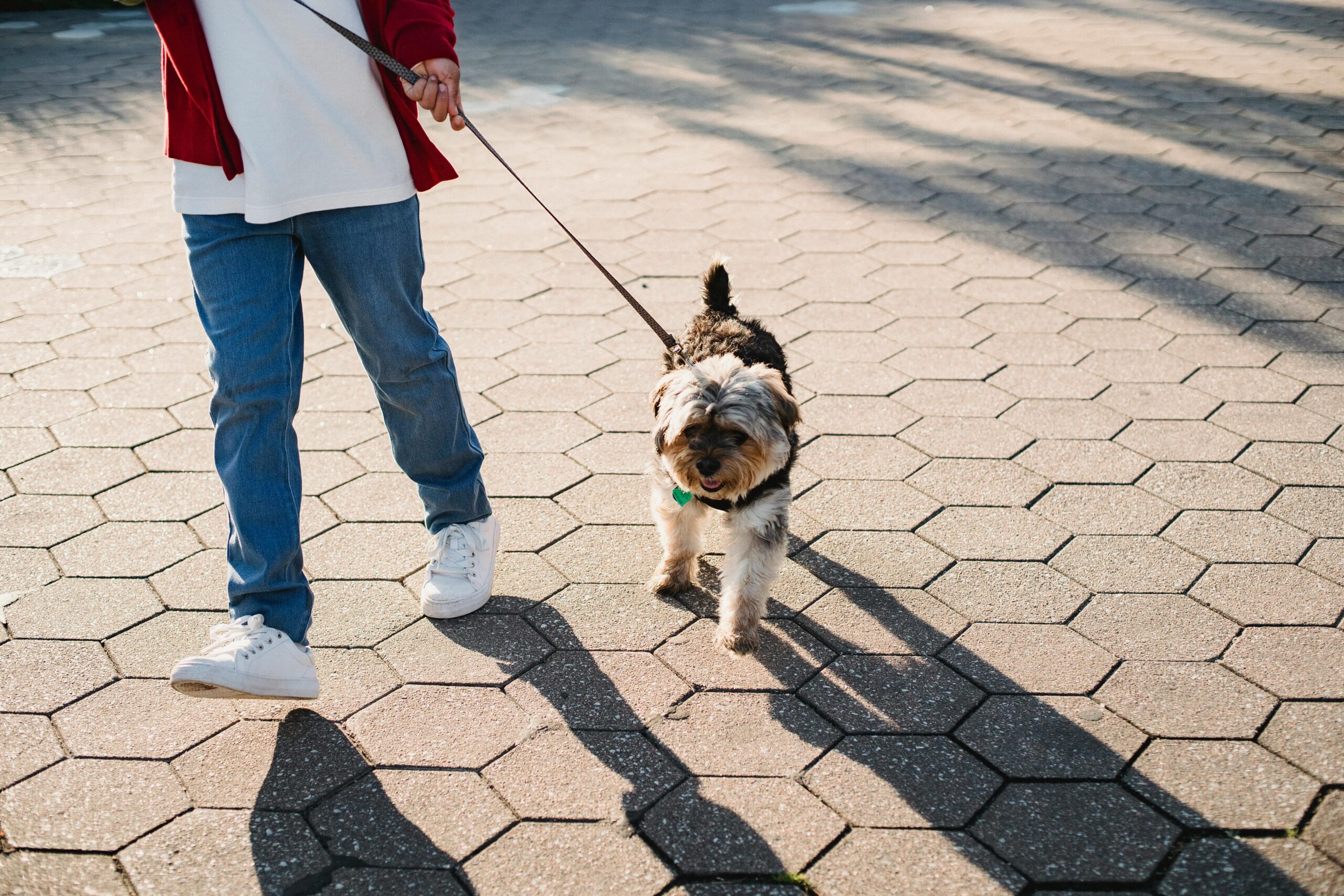
Walks should be purposeful, not chaotic. Keep your dog at your side, not leading the way. This reinforces focus and respect.
5. Positive Reinforcement Paired With Boundaries
Reward calm responses but also set limits on lunging or barking. Balance creates trust and clarity.
Local Context: Grand Rapids Walks and Triggers
From the bustling Fulton Street Market to busy neighborhood sidewalks, Grand Rapids offers plenty of distractions for dogs. Many reactive behaviors start small, like lunging at a jogger, and grow over time. Structured training ensures your dog can handle these environments with calm confidence.
For busy owners juggling city life, our blog on ways to reinforce training for busy dog owners shares practical tips to keep progress going even on tight schedules.
Expert Insight: Professional Recommendations
According to the AVMA’s guide on dog bite prevention, controlled supervision and structured training are the best ways to prevent behaviors from escalating. While leash reactivity is not aggression, managing and training it early prevents unsafe outcomes.
Checklist Review: Leash Reactivity Solutions
- Identify the root cause: frustration, fear, or lack of structure.
- Train obedience skills first before adding distractions.
- Use controlled exposure to triggers.
- Stay calm and lead with confidence.
- Balance rewards with clear boundaries.
Conclusion: Calm Walks Are Possible
Leash reactivity does not have to define your dog’s behavior. With consistent training, structure, and the right mindset, your walks through Grand Rapids can become calm, controlled, and enjoyable again.
If leash reactivity has been holding you back, reach out through our contact page to begin a training plan tailored to your dog’s needs.